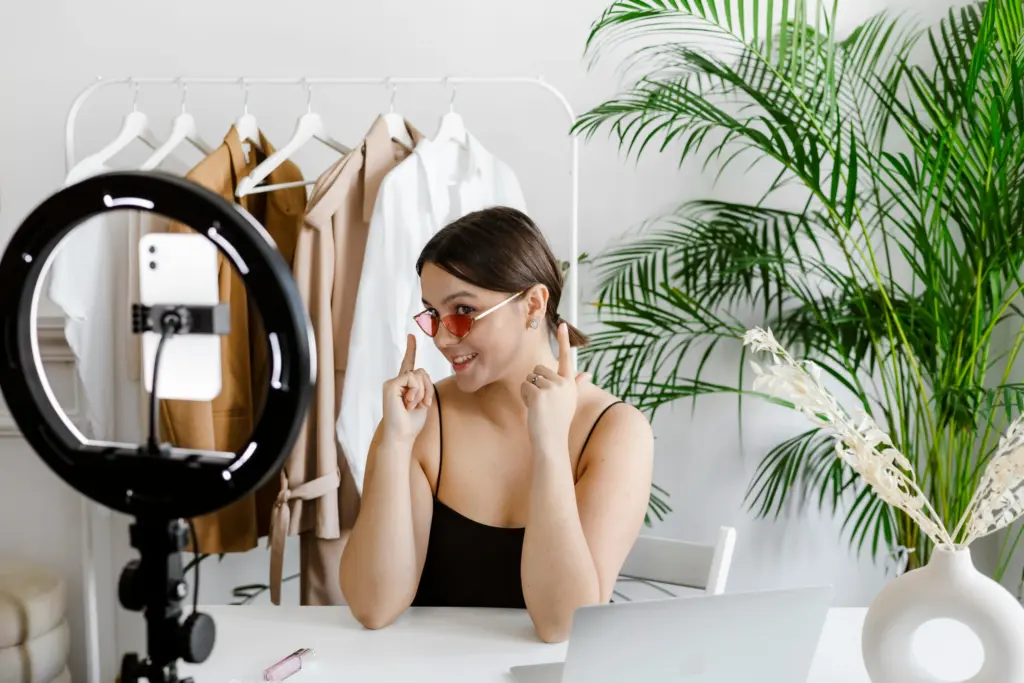
If you want to collaborate with influencers to promote your business or brand on social media, there are several important factors to consider before making a decision.
This ensures your campaign is not only impressive in numbers, but also truly impactful in driving awareness, engagement, and sales.
What Is a Social Media Influencer?
An influencer is essentially an individual who has the ability to influence audience decisions through the content they share. Their influence is built on authenticity, creativity, and staying aligned with trends that resonate with their audience.
A social media influencer actively builds their audience and influence through platforms such as Instagram, TikTok, YouTube, X, or LinkedIn.
They usually focus on a specific niche, such as beauty, food, parenting, finance, or lifestyle. By concentrating on a niche, influencers can reach a more segmented audience that is highly relevant to a brand’s needs.
This is what makes social media influencers valuable assets in social media campaigns, especially when the goal is to increase brand awareness, boost engagement, and encourage purchasing decisions.
Read more: Social Media Campaign: Definition, Types, Objectives, and Effective Strategies
How to Find the Right Influencer for a Social Media Campaign
To optimize your campaign, brands must be selective when choosing influencers. Here are key factors to consider:
1. Relevance Between Brand and Influencer Niche
The first step is ensuring there is alignment between the influencer’s niche and your product.
Make sure the influencer’s niche (such as marketing, business, parenting, beauty, etc.) is relevant and that they have previously discussed similar topics.
For example:
- A skincare brand will be more suitable working with a beauty influencer.
- An F&B product will be more relevant when promoted by a food creator.
- A parenting product is best promoted by a mom influencer.
2. Balanced Reach and Engagement, Not Just Followers
After identifying relevant influencers, review their account performance thoroughly.
Focus on their average reach, engagement rate, and the quality of comments and interactions on each post.
For example:
- Influencer A has 500,000 followers but low average likes and comments.
- Influencer B has 40,000 followers, yet every post generates active discussions and organic interactions.
In this situation, Influencer B may actually be more valuable because they have a highly engaged and trusting community.
Healthy reach and consistent engagement help increase brand awareness while driving higher-quality traffic.
Read more: 5 Types of Influencers Based on Follower So Your Brand Doesn’t Choose the Wrong One
3. Check Credibility & Track Record
Before collaborating, evaluate the influencer’s credibility and track record.
Look at brands they have previously worked with. Assess whether their content aligns with your brand tone.
Determine whether their style is overly hard-selling or still feels natural.Check for testimonials or proof of previous campaign results.
Natural promotions are far more effective than content that feels overly sales-driven. It’s important to ensure the influencer understands the product and can deliver it authentically without excessive hard selling.
Also review audience sentiment and comments to ensure the influencer maintains a positive reputation.
If an influencer appears genuine and provides honest reviews, audience trust increases. For example:
- For fashion products, influencers can discuss fabric details, cutting, and comfort when worn.
- For cosmetics, demos or before-and-after content strengthen credibility.
- For food products, showing genuine first reactions when tasting can enhance trust.
These elements help ensure the influencer has real credibility and performance—not just frequent promotional activity.
5 Examples of Influencers for Social Media Campaigns
Below are common influencer types used in social media campaigns:
1. Food Influencers
Suitable for F&B brands, restaurants, snacks, or beverages. They typically create food reviews, restaurant recommendations, and daily culinary content.
Examples:
- Nex Carlos – Known for honest and slightly blunt food reviews.
- Tanboy Kun – Strong in large-portion food content and eating challenges.
2. Fashion & Lifestyle Influencers
Ideal for clothing brands, accessories, shoes, and daily essentials. They are typically strong on Instagram and TikTok with OOTD, styling tips, and daily look content.
Examples:
- Patricia Gouw – Bold and fun personality, suitable for playful and edgy brands targeting Gen Z and millennials.
- Indah Nada Puspita – A modest fashion icon in Indonesia with a loyal audience, ideal for hijab or Muslim wear brands.
3. Beauty Influencers
Highly relevant for skincare and makeup brands. They frequently create tutorials, product reviews, and beauty education content.
Examples:
- Tasya Farasya – Known for detailed, honest reviews and highly trusted in the beauty space.
- Nanda Arsyinta – Strong in makeup tutorials and product reviews.
4. Podcasters & Audio Content Creators
For brands looking to build awareness through storytelling or in-depth discussions, collaborating with podcasters can be highly effective due to their loyal audiences.
Examples:
- Raditya Dika – Relatable style with broad and insightful topics.
- Rintik Sedu – Strong in emotional storytelling and widely recognized as a writer.
5. Business & Marketing Influencers
Suitable for B2B brands, digital tools, SaaS, or business education targeting industry professionals.
Examples:
- Fellexandro Ruby – Focuses on self-development and business.
- Raymond Chin – Focuses on investment, business, and financial literacy.
Find the Right Influencer with Fair Discovery and Analyser Tools
Struggling to find influencers that truly match your brand?Already selected a KOL but realized they didn’t fit your niche? Unsure whether their engagement is genuine or just vanity metrics?
And the most nerve-wracking part afraid of choosing the wrong KOL?Now you no longer have to rely on guesswork.
With Fair’s Discovery feature, you can access over 150+ million influencers and KOLs filtered by niche, category, location, and campaign needs.
Found a KOL you like? Use the “By Similar” feature to discover similar accounts with comparable audience characteristics.
Not only that. Through the Analyser feature, you can review detailed historical performance data including engagement rate, estimated rate card, and audience sentiment analysis.
The Analyser also predicts campaign success potential with up to 95% accuracy, complete with pessimistic, neutral, and optimistic scenarios.
This allows you to make data-driven decisions instead of relying on assumptions. Influencer marketing becomes more measurable, safer, and significantly more efficient.