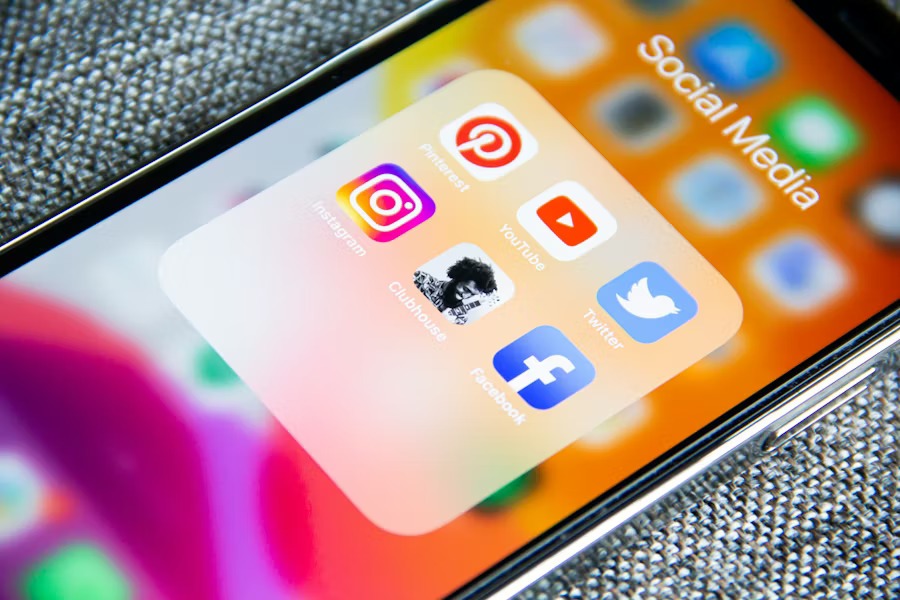
Many brands have proven that a successful social media campaign is not just about going viral for a moment.
When executed with the right strategy, a campaign can create real impact driving higher awareness, stronger engagement, and even delivering direct business results such as increased sales.
Amid intense competition in communication strategies, many brands are racing to produce more and more content.
This pushes brands to be more creative, relevant, and deeply understand audience behavior. Interestingly, the most successful campaigns are often the ones that don’t look like they are “trying to sell.”
Instead, many focus on storytelling, humor, personalization, or building emotional connections. Below are several examples of social media campaigns from both global and local brands that can serve as inspiration.
Marketing Campaigns in Social Media That Stay in the Audience’s Mind
Not every campaign simply passes by on the timeline, some truly leave a lasting impression. Let’s take a closer look at social media campaigns that successfully captured audience attention.
1.Duolingo: Absurd Yet Consistent
Duolingo runs its social media campaigns with a primary goal of increasing brand awareness through entertainment-first content.
This strategy has proven effective. Data from Social Insider shows that Duolingo’s TikTok account consistently records an engagement rate far above the brand average.
With daily posting consistency and an engagement rate reaching 3.9%, 56% higher than TikTok’s benchmark of 2.5%Duolingo’s performance is often used as a benchmark for B2C brands on TikTok.
Instead of selling directly, Duolingo leverages meme culture to stay relevant. One notable moment was when the Duolingo bird went viral on TikTok after being “announced dead.”
This, however, was all part of a larger campaign. Duolingo later launched a global mission targeting 50 billion XP, encouraging users worldwide to complete lessons in order to “bring Duo back to life.”
Duolingo’s organic brand growth on TikTok has been massive and has become a key go-to-market strategy that clearly differentiates the brand from its competitors.
2. Spotify Wrapped: The Power of Personalization & UGC
Spotify Wrapped is designed to drive engagement and user-generated content (UGC) through personalized data.
This campaign encourages users to voluntarily share branded content on their own social media platforms.
Spotify has stated that Wrapped is consistently one of its most highly shared campaigns each year, making it a powerful engine for organic reach.
Spotify Wrapped is also proof that a campaign can strengthen brand advocacy and users’ emotional attachment to a brand, as each user feels personally seen and represented through their own unique listening experience.
3. Laundry Majapahit (Rinso): Grounded, Relatable Storytelling
Amid the abundance of modern marketing content, the Laundry Majapahit campaign proves that washboards, colorful buckets, and wet floors can become part of a strong branding experience and a clear point of differentiation from competitors.
The atmosphere at Laundry Majapahit feels warm and familiar. Customers sit on the floor while doing their laundry, casually chatting with one another. Yati, the owner, wants her place to be more than just a laundry service; it is a space for sharing moments and building connections.
The Laundry Majapahit phenomenon shows how local traditions can be transformed into creative economic value. In today’s modern business landscape, consumers are no longer just buying products or services, but also the experiences and stories that come with them.
This approach demonstrates that simple storytelling can create a fresh narrative and strong differentiation. Campaigns like this are great examples of how local culture can be turned into fresh ideas for social media campaigns.
3. Shopee 11.11: Maximizing Seasonal Momentum
Shopee 11.11 is not just about massive discounts. The campaign is consistently supported by a wide range of social media content, from teasers and live streaming sessions to influencer collaborations and interactive challenges that drive engagement.
From a strategic perspective, this campaign is a strong example of a successful seasonal activation that integrates paid, owned, and earned media.
It also works well as internal linking material for topics such as e-commerce campaign strategies, seasonal promotions, or integrated marketing campaigns.
During the peak of the 11.11 campaign, sales of local and SME brands on Shopee Live increased by more than 7.5 times compared to regular days.
This result highlights strong consumer enthusiasm and proves the effectiveness of live commerce as a strategy to drive transactions.
Read more: Social Media Campaign: Definition, Types, Objectives, and Effective Strategies
4. Grab Kumis: Local, Unique, and Relatable
GoFood Kumis is a strong example of how a local brand can capture attention through a simple yet unique concept. The quirky campaign name, combined with content that reflects everyday life, encourages audiences to engage and participate.
The Grab Kumis campaign is derived from Grab’s “Grab Awet Murahnya” campaign, inspired by Mas Adam’s mustache, which is famously known to last for days. This idea is used as a metaphor for Grab’s consistently affordable prices.
Through this campaign, Grab offers GrabBike Hemat starting from IDR 7,000 and GrabFood Hemat delivery starting from IDR 3,000 without the need for a promo code. If the prices do not match the campaign promise, users receive bonus vouchers.
To further strengthen engagement, Grab also launched interactive social media contests, such as inviting users to take screenshots of Mas Adam with his mustache to win prizes.
This approach makes the campaign feel relatable, local, and memorable, making it a relevant example in discussions around local marketing strategies and brand content that resonates with everyday audiences.
5.Barbie: Nostalgia yang Dikemas Modern
The success of the Barbie movie was not driven solely by its massive marketing budget, but by an integrated and consistent influencer marketing strategy that sparked audience curiosity long before the official release through provocative teasers and creator collaborations on social media.
The campaign also encouraged large-scale user-generated content (UGC) through easy-to-join interactive activations, allowing audiences to become part of the campaign and creating a strong sense of FOMO.
In addition, collaborations with more than 100 brands expanded the campaign’s reach across industries, while strong nostalgia, especially among Millennials and Gen Z—deepened emotional attachment and increased purchase intent.
From this campaign, brands can learn that building anticipation, engaging communities, forming strategic collaborations, and tapping into audience emotions are key elements of impactful influencer marketing—even without a budget as large as Barbie’s.
Read more: 7 Key Reasons to Use Social Media Marketing Tools for Growing Your Brand
From the examples above, we can see a clear pattern: successful campaigns are usually highly relevant to their audience, launched at the right moment, and built around unique ideas that don’t feel like hard selling.
To expand reach and drive stronger engagement and awareness, influencer marketing can play a key role in amplifying campaign momentum.
With the right campaign strategy, brands can not only increase awareness and engagement, but also drive conversions more effectively.
To build a competitive campaign, brands can access more than 150 million influencers through Fair’s Discovery feature. With over 20+ influencer niches available, brands can easily find creators that align with their specific goals and audience.
Fair also helps brands monitor competitor activity. Using Fair’s Campaign Monitoring feature, you can track campaigns currently run by competitors, especially influencer campaigns.
This allows you to see the creator tiers they use, hashtags, content formats, messaging, and engagement performance. These insights can serve as strong inspiration for your own brand campaigns.