5 Types of Influencers Based on Follower So Your Brand Doesn’t Choose the Wrong One

christine

February 19, 2026

Types of Influencers

When talking about influencer marketing, one thing that still often confuses marketers is the different types or categories of influencers. 

Many people still assume that all influencers are simply measured by their number of followers without understanding the different tiers. In reality, each influencer level has its own differences and objectives.

This is exactly why it’s important for marketers to truly understand the influencer category they’re working with. It’s not just about the number of followers, but also about relevance, engagement, and the campaign objective. Let’s break them down one by one.

What is Influencer?

Simply put, an influencer is an individual who has a strong impact on their audience, whether in shaping opinions, behaviors, or purchasing decisions. This influence can come from their expertise, experience, credibility, or personal connection with their followers.

In influencer marketing, influencers are typically categorized based on their number of followers, as this number is often related with reach, engagement rate, and the role they play within the marketing funnel.

Types of Influencers Based on Follower Count

1. Nano Influencers (1,000–10,000 followers)

Nano influencers are often seen as “small,” but this is exactly where their strength lies. They usually focus on very specific niches such as books, skincare, parenting, finance, or local food.

Because their follower base is still limited, their relationship with the audience feels more personal. Interactions in the comment section also tend to be more active and natural. Several studies (including reports from HypeAuditor) show that nano influencers can reach engagement rates of up to 5%, which is higher than other influencer tiers.

Key characteristics of nano influencers:

  • High engagement
  • More active and relevant comments
  • Content feels personal, not scripted

Most effective for:

  • Educating audiences about new products
  • Soft selling
  • Community-based campaigns

2. Micro Influencers (10,000–100,000 followers)

Micro influencers are often considered the “sweet spot” in influencer marketing. They typically have a sizable audience while still maintaining a close connection and strong trust with their followers.

Most micro influencers stay consistent within a specific niche and understand how to communicate a brand’s message without making it feel like an advertisement. At this level, audiences tend to believe the influencer has genuine experience with the product, rather than just trying it once and quickly moving on to another brand.

Compared to nano influencers, their reach is broader, while their engagement rate remains relatively high.

Most effective for:

  • Product reviews
  • Testimonials
  • Campaigns focused on both engagement and conversions

3. Mid-Tier Influencer (100.000 – 500.000 followers)

Mid-tier influencers operate on a larger scale. Their audience is more diverse, and the interaction is not as close as with nano or micro influencers. However, the reach they generate is much more significant. They are often referred to as “selebgram” (Instagram celebrities).

This type of influencer is suitable if your brand wants to be recognized by a wider audience while still being more cost-efficient. They also tend to have high view counts, even though their engagement rate may be lower.

Most effective for:

  • Product launches
  • National campaigns
  • A combination of awareness and consideration

4. Macro Influencer (500.000 – 1.000.000 followers)

Macro influencers, often known as selebgram, have massive reach. They are usually well-known and have strong positioning or storytelling within a specific niche such as beauty, lifestyle, education, and more.

When they talk about a brand, the impact is no longer just about product details, but more about shaping brand perception.

However, because their audience is very large, their engagement rate tends to be Most effective for:

  • Large-scale brand awareness
  • Image building
  • Nationwide campaigns

5. Mega Influencer (1.000.000+ followers)

Mega influencers are at the highest level and are usually celebrities. Their names are widely recognized by the public, often across platforms and demographics.

Working with mega influencers can be expensive, but the impact is significant for brand positioning. Collaborating with them is ideal if your main goal is to make your brand appear everywhere in a short period of time.

Most effective for:

  • Top-of-mind awareness
  • Large-scale campaigns
  • Brand positioning

Read more: Key Differences Between KOC and KOL in Influencer Marketing

Discovery Influencer Tools 

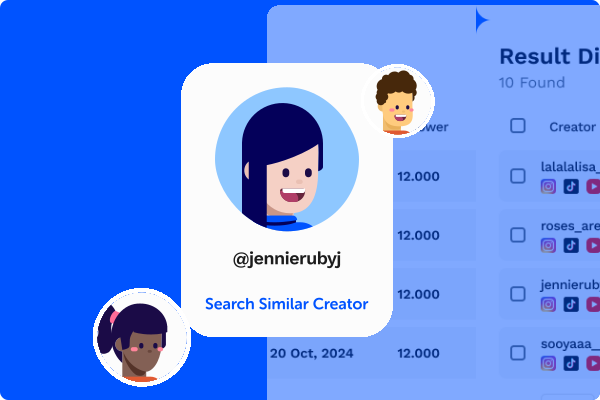
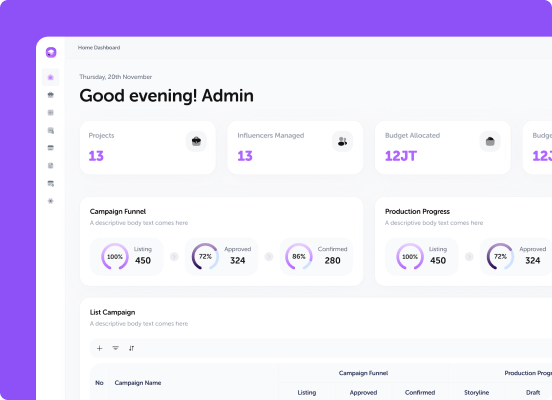
Now, you no longer need to go through the hassle of manually selecting KOL tiers. With Fair Tools, the entire process becomes faster and more efficient. You can discover more than 150+ million influencers across 20+ different niches, ranging from micro to mega influencers.

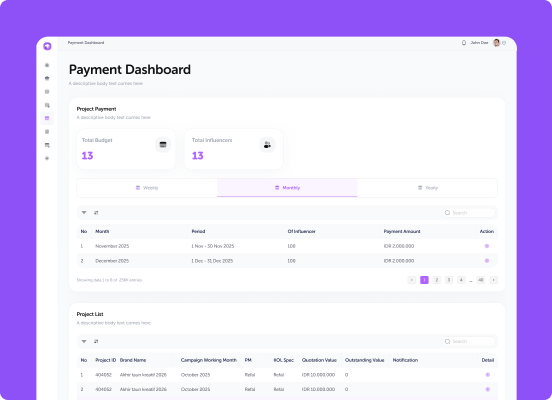
All the influencer tiers you need can be easily searched, filtered, and compared, allowing you to focus on choosing the most relevant and high-performing influencers for your campaign. No more opening multiple spreadsheets, taking manual notes, or spending days on research. All the data and insights are available in one integrated platform.

The result? Your influencer campaigns become more targeted, time-efficient, and have greater potential to deliver stronger performance.

Influencers Aren’t Defined by Size, But by How Well They Fit Your Goals

In reality, there’s no such thing as the “most correct” or “best” influencer. It all comes back to your campaign objectives and the stage of the funnel you want to target. Nano and micro influencers are usually great at building trust and engagement, while macro and mega influencers are stronger when it comes to reach and exposure.

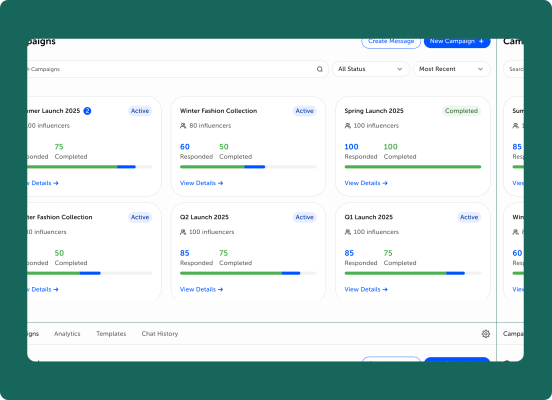
This is where Fair can become your go-to partner in optimizing influencer campaigns. You can start with Discovery, which makes it easy to list influencers that match your campaign needs and filter them by topic, followers, platform, and niche.

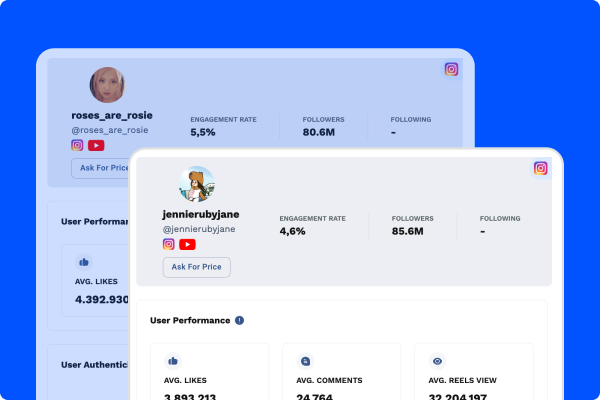
Then, use Analyser to dive deeper into performance insights and predict collaboration results before the campaign even begins.
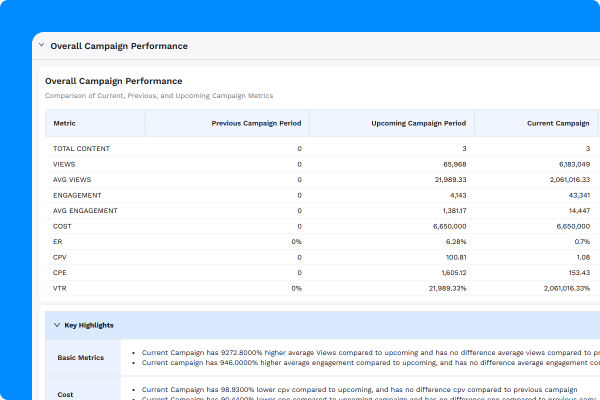
During the campaign, Campaign On-going allows you to monitor KOL performance in real time, while Reporting makes campaign analysis clearer and easier to understand.

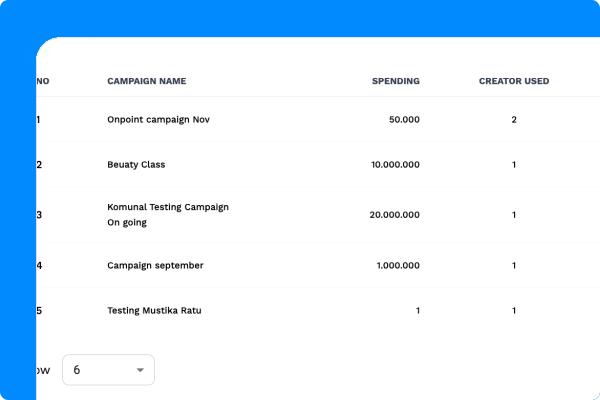
Not only that, My Creator helps you identify top-performing influencers so you can collaborate with them again in future campaigns.

With all these features, Fair makes it easier for you to choose the right influencers and design campaign strategies that truly fit your business. The result? Influencer collaborations that drive real impact—from brand awareness and engagement to increased sales.

So, what are you waiting for? It’s time to start planning your influencer marketing strategy and take your business to the next level.

Let’s Get A Deep-Dive Insights About Fair

You might be interested in